
The Yazidi genocide
In August 2014, the world witnessed genocide. Over the course of two weeks, the Sinjar region of Iraq was invaded by the so-called Islamic State. ISIS militants undertook a strategised campaign to ethnically cleanse Yazidis from existence.

What happened
Approximately 400,000 Yazidis fled to the neighbouring Kurdistan Region of Iraq, and tens of thousands took refuge on Mount Sinjar, where they faced near starvation.
The rest, unable to flee, were killed or taken into captivity and subjected to horrific acts of violence — enslavement, forced labour, conscription, torture and rape. ISIS considered Yazidis “infidels” and ordered men to either convert or die.

Women were given no choice. They were taken captive, married off to the highest bidder, sexually enslaved, and forced to convert. More than 6,000 women and children were taken captive by ISIS, and nearly 2,800 are still missing today.
Sexual violence was strategically used as a weapon of war and codified in ISIS manuals that explained how to traffic Yazidi women. ISIS believed that violating women would destroy the community from within.
The scale
The missing and the dead
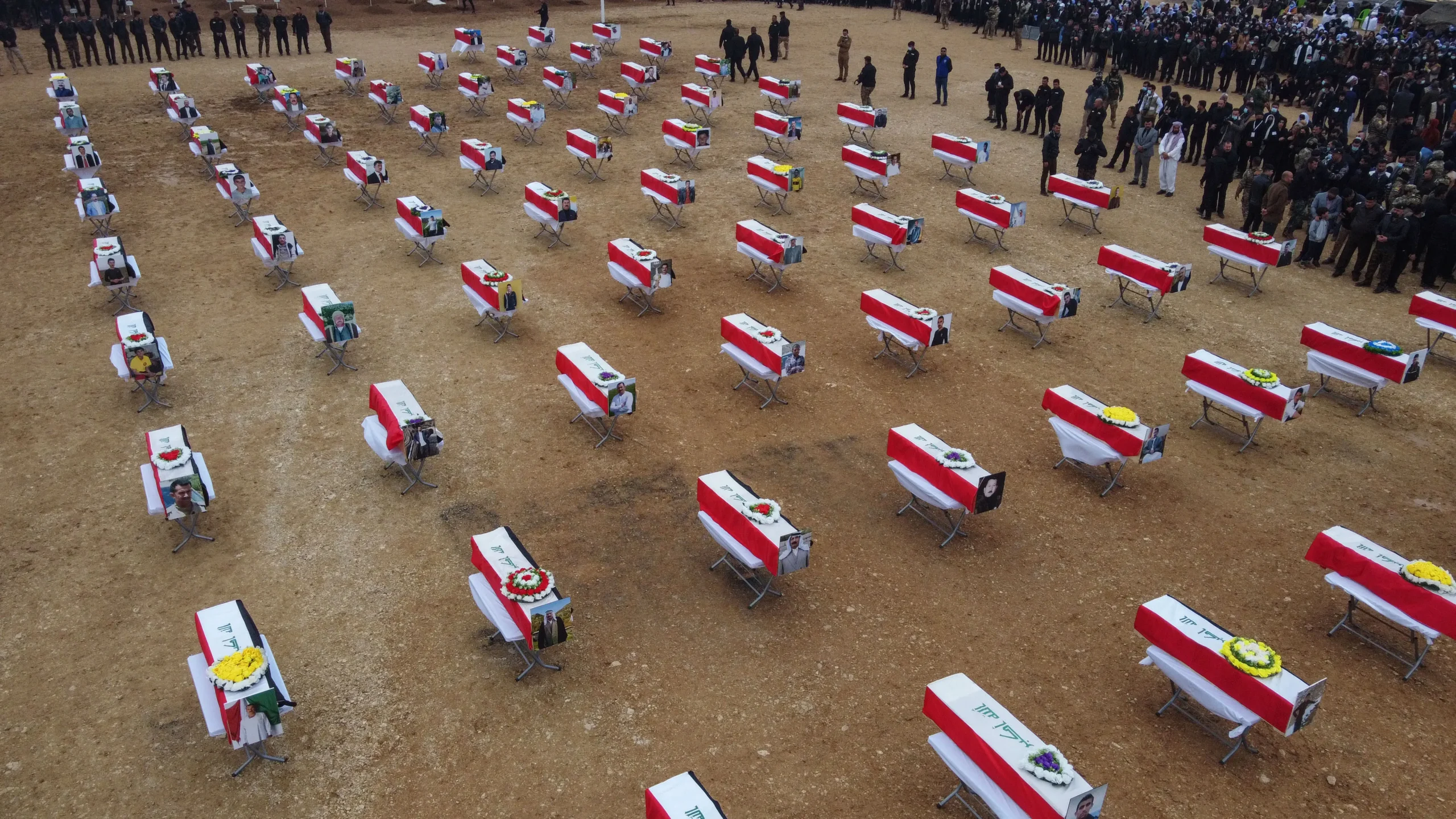
More than a decade later, nearly 2,800 Yazidi women and children remain missing. Mass graves are still being found and exhumed across Sinjar, and many families are still waiting to bury the people they lost.
Named as genocide
What happened to the Yazidis has been formally recognised as genocide by international bodies and national parliaments.
- 2016The European Parliament recognises the crimes committed against Yazidis as genocide.
- 2016The UN Commission of Inquiry on Syria concludes that ISIS committed genocide against the Yazidis, in its report “They came to destroy”.
- 2021The UN investigative team UNITAD reports clear and convincing evidence of genocide against the Yazidi people.
- 2021The Dutch House of Representatives recognises the Yazidi genocide.
- 2023The German Bundestag recognises the Yazidi genocide.
- 2023The United Kingdom government formally recognises the Yazidi genocide.
Why this matters to a school
Many of our students are young adults whose schooling stopped in August 2014 and never restarted. They lost more than a decade of education — and in many cases their families, their homes and their community.
That is the gap Yazidi At School exists to close. Every class we run is taught to someone whose education was taken from them by this.

Education for Yazidis is not charity. It is an investment in peace, stability, and human potential. Yazidi At School
Not only a story of loss
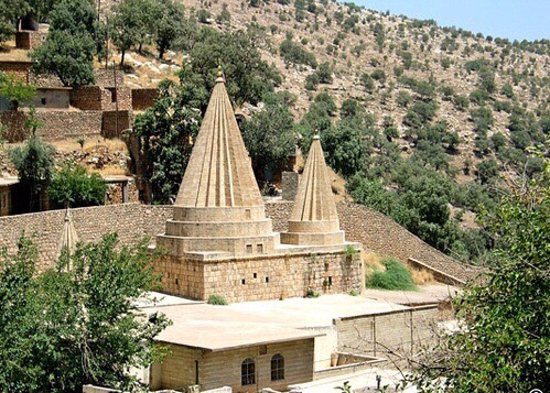
The Yazidis are an ancient people with their own faith, language and traditions, and they have survived persecution many times before. Their community, their culture and their hope have outlasted those who tried to erase them.
Remembering the genocide means also standing with the survivors as they rebuild.