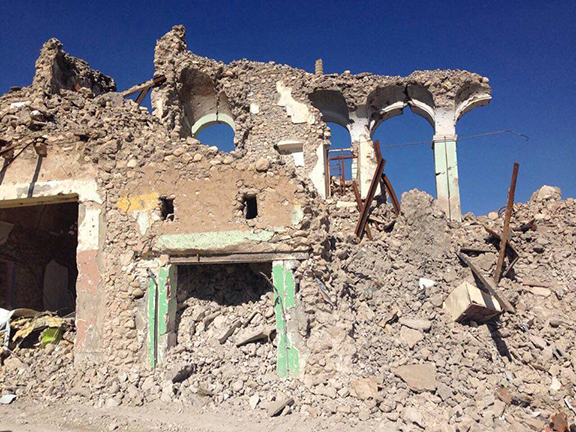
Shingal, the Situation as of December 2025

Shingal, also known as Sinjar, remains a deeply contested and unstable region in northern Iraq, serving as the ancestral homeland and spiritual center for the Yazidi people—an ethno-religious minority that has endured repeated persecutions, including the 2014 ISIS genocide that displaced hundreds of thousands and left over 2,500 people still missing.

As of late 2025, the area’s future hinges on unresolved political, security, and economic challenges. Current trends suggest a protracted struggle for recovery rather than swift resolution, potentially leading to further emigration and demographic decline unless key agreements are implemented.

Political Situation

Politically, Sinjar is trapped in a governance vacuum due to the stalled 2020 Sinjar Agreement between Baghdad and Erbil. The agreement aimed to normalize the region by removing unauthorized militias, appointing a unified administration, and facilitating reconstruction. However, it has seen little progress amid mutual obstructions and the lack of Yazidi inclusion in decision-making.

Without enforcement—demanded by entities such as the EU and the UN—this deadlock could perpetuate rival administrations, frozen mayoral positions, and influence from powerful factions such as the Popular Mobilization Forces, eroding local autonomy and deterring returns. If implemented, it could stabilize the region by integrating Yazidi-led security forces, enabling elected leadership, and fostering rebuilding and voluntary repatriation.

Security Situation

Security remains precarious, with multiple armed groups—including the Iraqi army, Kurdish Peshmerga, Yazidi Sinjar Resistance Units (YBS), and others—vying for control. This fragmentation is compounded by Turkish airstrikes targeting YBS over alleged PKK links.

These dynamics heighten fears of renewed violence, whether from ISIS remnants or inter-militia clashes, and could escalate if regional tensions spill over. Future stability may require demobilizing non-state actors and establishing locally recruited police forces. Without sustained international pressure, ongoing instability may drive further Yazidi emigration.

Economic and Environmental Conditions

Economically and environmentally, Sinjar faces severe challenges. An estimated 70–80% of homes and infrastructure were destroyed in 2014, while reconstruction remains limited. Basic services such as water, electricity, healthcare, and education are insufficient.

Agriculture—once sustaining much of the population—has been devastated by drought, desertification, and war damage, leaving the majority of households without stable income. While initiatives such as Nadia’s Initiative and women-led agricultural projects offer hope, declining aid and slow compensation risk entrenching long-term poverty.

Demographic Trends

Approximately 100,000–150,000 Yazidis have returned to Sinjar since 2014, accelerated by IDP camp closures in 2024–2025. Many returns are involuntary, with families facing uninhabitable conditions, unresolved trauma, and limited opportunities—factors driving continued emigration.

If these trends persist, Sinjar’s Yazidi population may continue to decline, threatening cultural continuity. However, sustained justice efforts, accountability for ISIS crimes, and Yazidi-inclusive governance could reverse this trajectory and support long-term recovery.

Conclusion

Without meaningful breakthroughs, Sinjar risks further marginalization. With coordinated political will, international engagement, and community-led governance, the region could emerge as a stable and resilient Yazidi homeland.

Translate »